Our Programs
Our Programs
Purpose
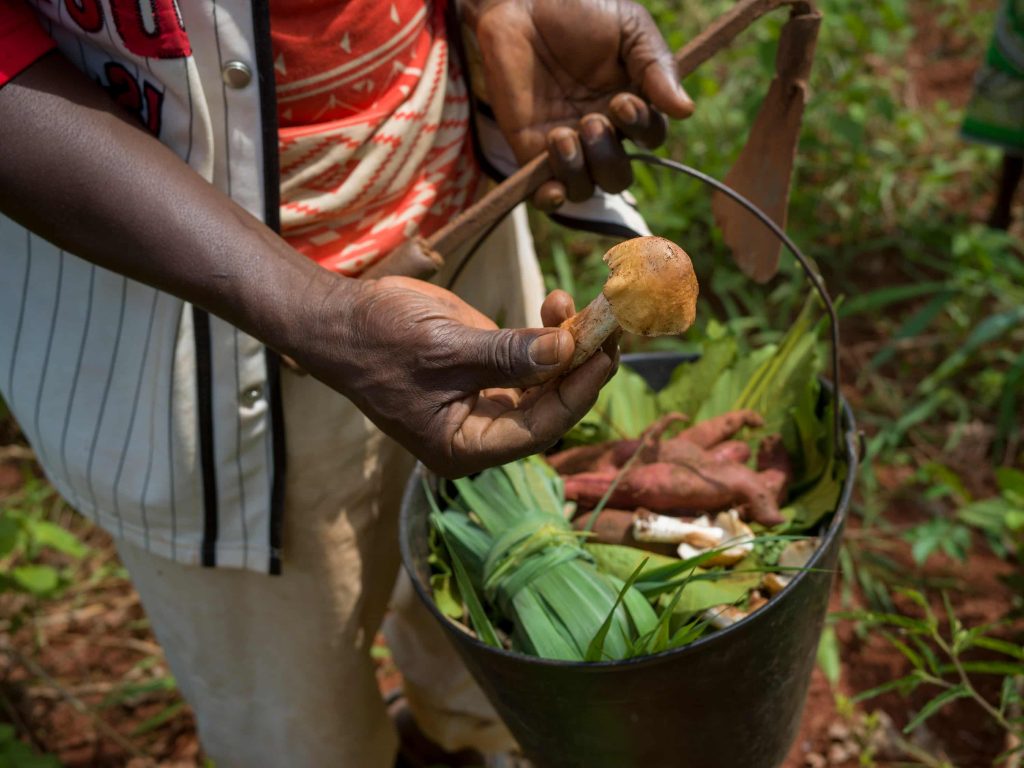
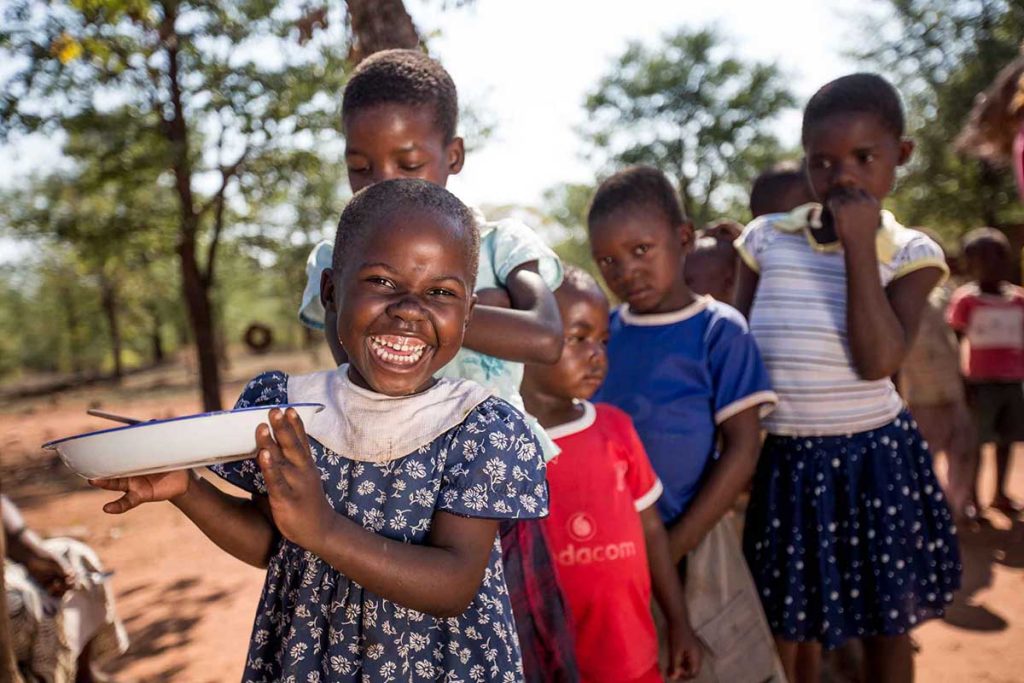
We run a project that encourages sustainable agriculture in communities. We also aid in feeding orphans & vulnerable children (OVCs) and infants whose mothers cannot breastfeed due to various health precautions.
How?
- Nutritional support for infants less than 2 years old.
- Community based nutritional gardens.
- Vegetable drying through solar driers.
- Chicken and goat pass-on schemes.
- Seed fairs to promote seed security.
- Seed multiplication.
Under this pillar the Bethany Project supported food security through nutritional gardens, chicken and goat pass-on schemes, indigenous crops seed fairs and infant feeding. Figure 9 clearly indicates that 2564 people benefited through this pillar. Zvishavane and Mberengwa Districts where Bethany is operating are located in the semi-arid agro-ecological regions 4 and 5 in the Midlands Province. The districts are always experiencing food shortages due to droughts.
Purpose
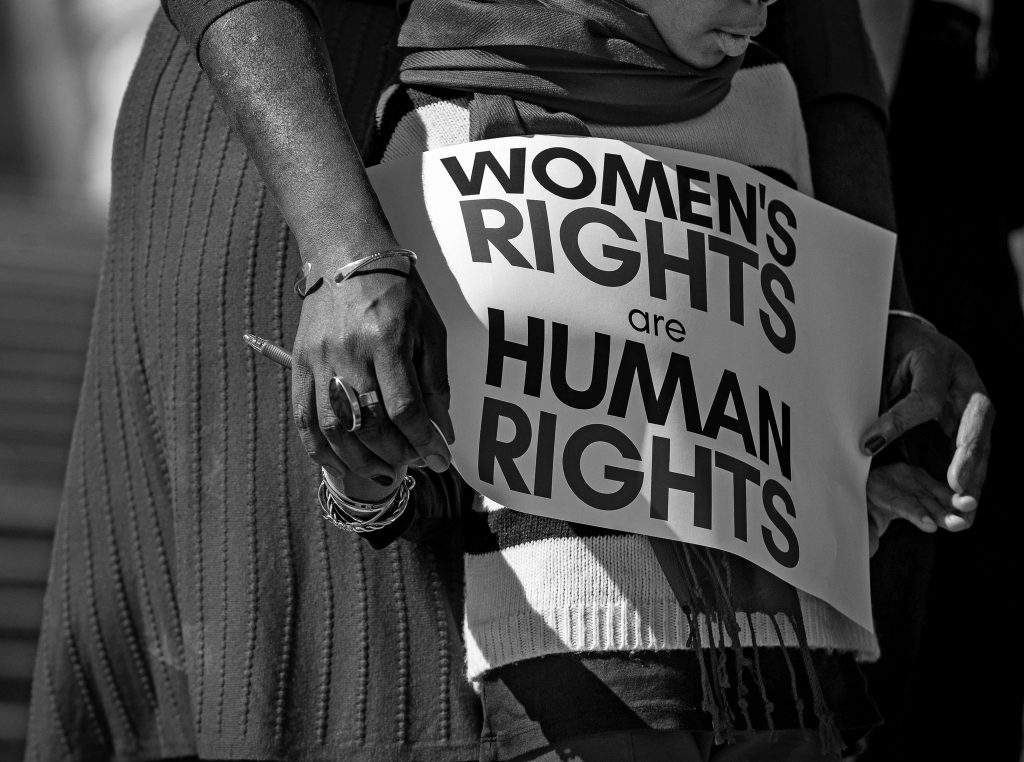
Gender Equality is important to us. The Women Empowerment and Care (WE CARE) Program is implemented in-line with and to address our gender goals.
How?
- Women and Girls economic empowerment and Care
- Support to the Girl Child through direct and Indirect Payment of School Fees.
- Capacity building on women and girls’ rights.
- Campaigns on Gender Based Violence.
- Support of Pamumvuri/Emthunzini Women and Girls Forums.
Under this pillar Bethany Project addressed sexual and gender based violence (SGBV) faced by adolescent girls (10 to 19 years) and young women (20 to 24 years) in Zvishavane and Mberengwa Districts. Marginalized adolescent girls and young women who experienced intersecting forms of violence and discrimination in the 2 districts included survivors of sexual violence the majority of whom are from poor families and orphans. As a result of SGBV, these adolescent girls and young women face problems which include rape, child pregnancy and child marriages, HIV and other sexually transmitted infections (STIs).
Purpose
We call for the community to give assistance. Our work requires your input. Together we can achieve.
From Whom?
- Individual Donors.
- Funding Partners.
- Business Community.
According to the NDS1 women in particular those who are still youths have been left behind in terms of economic empowerment hence this targeting by Bethany interventions during the year 2023. All the young women benefited through the start capital for the Pamumvuri Movement and the economic empowerment of parenting clubs which are composed of young mothers. All the girls were socially and economically empowered through payment for their education. Young women in Pamumvuri Movements and parenting clubs were also trained in income saving and lending schemes (ISALS) which are their main source of credit and income. Young women received soft loans through the ISALs. They used the ISALs to fund their small to medium scale businesses. There are two sources of funding for children’s education. There is direct school fees payment which is catering for 103 children and also those who are benefiting from school based projects.
Purpose
It is our belief that inorder to bring positive change, there is need for community engagement. Furthermore, the community should be equipped to face challenged to come. It has been noted that changes can be sustained at community and family levels resulting in positive outcomes being achieved by the beneficiaries.
How?
- Training of community Health Champions, Monitors and Caregivers.
- Planning and Review Meetings with Beneficiaries and Stakeholders.
- Training of Guidance and Counselling Teachers.
Community participation is the corner stone of Bethany Project’s programming. Figure 13 clearly indicates that 764 people comprising community leaders, volunteers, parents and other key community members. District stakeholders and Community leaders were engaged through planning and review sessions. These sessions helped them to improve their project planning, monitoring and evaluation skills. Project buy-in and participation ensured that the projects were owned by the communities and sustained by them. Another strategy that was used is training the communities to manage the projects themselves. Figure 14 indicates that 61% of the participants in the community capacity building pillar were women while 2.2% were girls enabling them to influence the development processes for gender equality. Nevertheless, male involvement was significant at 37.8%.
Purpose
The purpose of the Bethany Project Securing Rights Program (SRP) initiative is
Phase I
To promote access to treatment, care and support for young people living with and affected by HIV including young persons with disability through community and family based systems, and also mainstream sexual and reproductive health rights (SRHR).
Phase II
To reduce gender based violence (GBV), facilitate disabilty inclusion and to promote women’s transformative leadership.
How?
- Door to door dialogues on SRHR.
- Family and community based Anti-Retroviral Treatment support for adolescents and young people.
- Information dissemination through sporting galas, health talks and Bethany Youth Hub and radio sessions.
- Demand generation for HIV Testing, Cervical Cancer screening and STI screening.
- Menstrual Health and sanitary pads provision for in-school girls
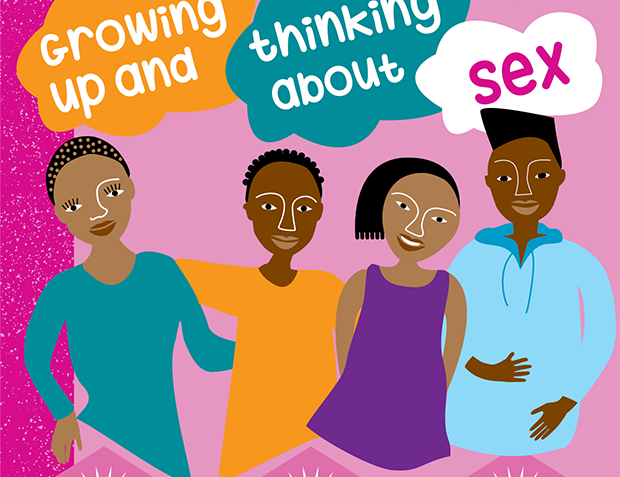
Sexual and reproductive health rights is such a huge pillar, guided by the context the Bethany Project is operating in, the main areas of focus are: sexual and gender based violence; sexually transmitted infections (STIs) including HIV; teenage pregnancy and child marriages; menstrual health management; drug and substance abuse. Figure 5 indicates the activities that were carried out by Bethany Project with regards to SRHR. A total 1168 people benefitted through this pillar as stated in Figure 5. Figure 6 presents the same information that is disaggregated into boys, girls, men and women. Almost half of the beneficiaries (49.3%) are girls, 13.4% are young women, 34.7% are boys and 2.6% are young men. Bethany’s approach is not to leave anyone behind. Young men and boys were mainly attracted through sporting activities.
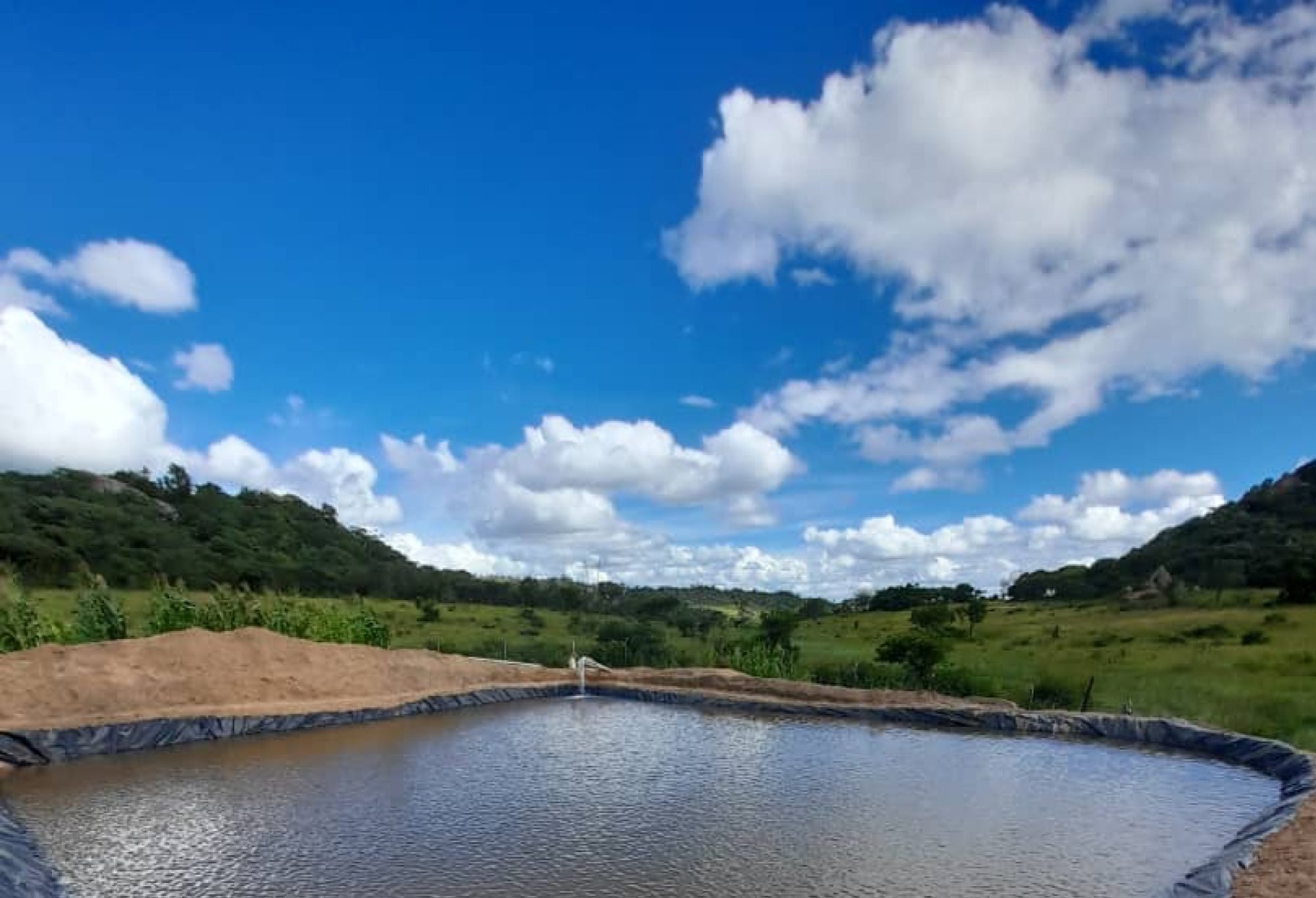
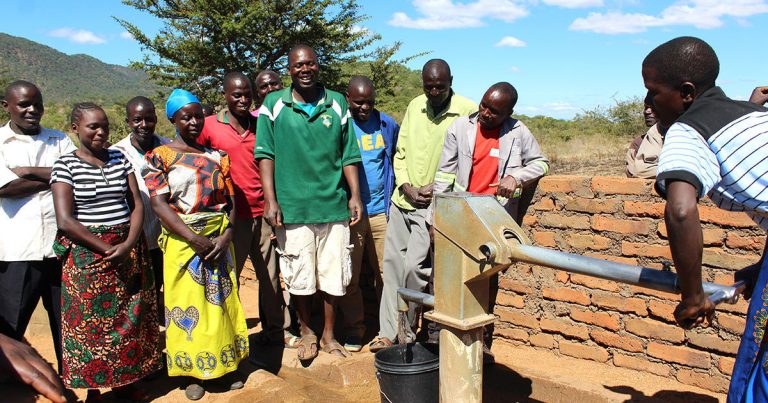
Community based strategic resources that the Bethany Project has invested in include: goats, chickens, solar powered water systems and clinic based information centers. Most of these investments were made in the last 5 to 10 years but are still benefiting the communities. At the Bethany Youth Hub the Bethany Project invested in netball, football and athletics sporting facilities which are currently being used by schools in its vicinity. The communities around Bethany Project are benefiting from these facilities also. In partnership with Platinum Holdings, Bethany has a state of the art netball pitch. This facility normally attract a lot of people during weekends who visit the Youth Hub as spec-tators and participants in sporting activities. Additional stra-tegic resources that the organization has invested in in-clude; fish breeding, indigenous chickens, goat and broiler production. These projects are used to support the organi-zation’s programs